
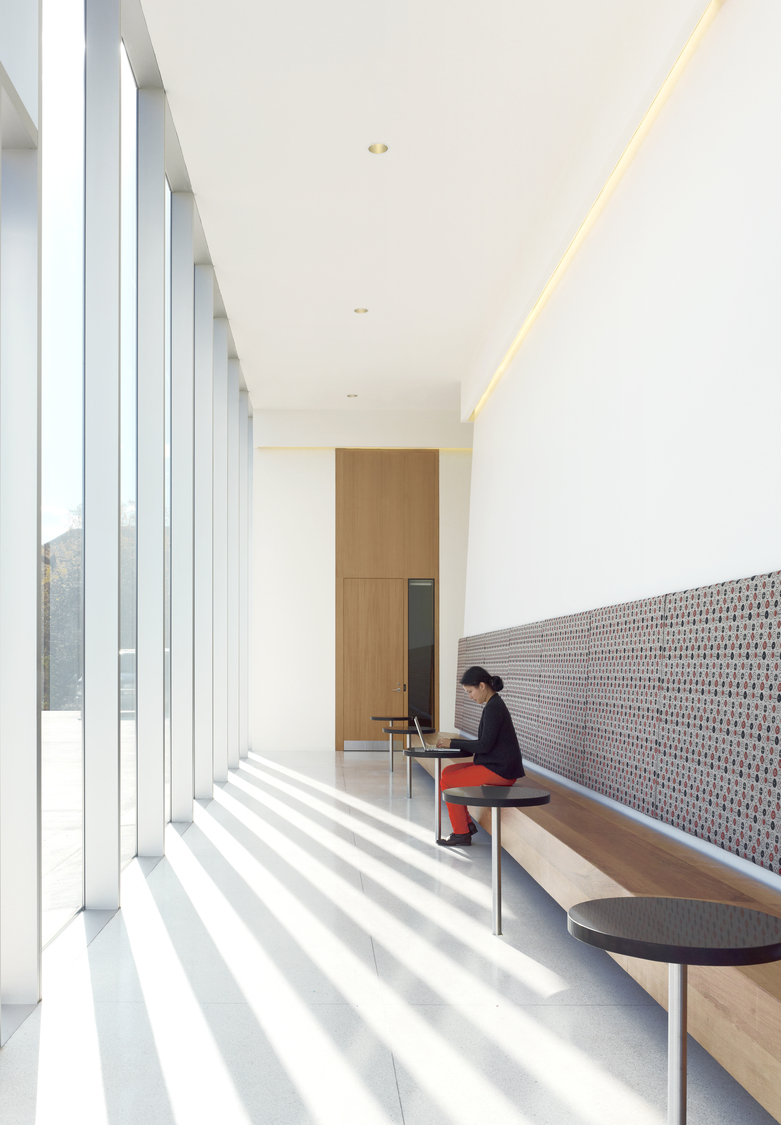
As human health and wellness has become more mainstream within the real estate industry, tenants, developers, and property managers have grown more sophisticated and comprehensive in their approach for addressing it. Results from the 2018 GRESB Real Estate Assessment demonstrate how participation in the 2018 Health & Well-being module has grown significantly since its initial release in 2016. Over 75% of GRESB participants now have health and well-being policies that address both employee and tenant/customer health.
Like ESG sustainability in real estate, which has evolved and matured to the point where greater importance is now being placed on actual performance rather than just predicted performance, health and wellness outcomes are moving from the merely aspirational to the more tangible. But how best do you evaluate the ongoing health and wellness performance of a building or space?
One option is with environmental sensors that can directly measure quantitative information of relevant indicators, such as air quality, noise, thermal comfort and lighting levels. What this overlooks, however, is how this data translates to human experience: Do people find certain environmental conditions comfortable, healthy and productive? When? And to what extent? To obtain such insight, one could make use of another type of low-tech environmental sensor: people. This is where a “post-occupancy evaluation” (POE) becomes particularly valuable.
Continue reading Mark Bessoudo